




Posted by Hamed Khalili

Himalayan Shilajit Altitude: Why 17,000+ Feet Makes All the Difference
Table of Contents
- Why Altitude Matters for Shilajit Quality
- The Science Behind High Altitude Shilajit Formation
- 17,000+ Feet: The Premium Elevation Threshold
- Mineral Content Differences by Elevation
- Environmental Factors at Extreme Altitude
- How to Identify Authentic High-Altitude Shilajit
- Common Altitude Claims vs. Reality
- The Quality Premium: Is High-Altitude Worth It?
- FAQs
- Conclusion
When you're researching Himalayan shilajit, you'll notice brands throwing around altitude claims like confetti. "Himalayan sourced," "high altitude," "mountain harvested" — but what do these terms actually mean for quality?
The truth is, not all Himalayan shilajit is created equal. The elevation where shilajit forms directly impacts its mineral density, purity, and potency. Understanding why altitude matters can help you make an informed choice about which shilajit delivers the results you're looking for.
This guide breaks down the science behind shilajit formation at different elevations, explains why 17,000+ feet represents a quality threshold, and shows you how to spot authentic high-altitude sources in a market full of vague claims.
Why Altitude Matters for Shilajit Quality
Shilajit forms through centuries of plant matter decomposition in rocky mountain crevices. The higher the elevation, the more extreme the environmental conditions that shape this process.
At higher altitudes, several factors create superior shilajit:
Reduced contamination exposure. Lower elevations face more industrial pollution, agricultural runoff, and human activity. The pristine environment above 17,000 feet means fewer contaminants enter the formation process.
Intense UV radiation. High-altitude UV exposure creates unique molecular structures in the decomposing organic matter. This radiation acts as a natural purification process, breaking down harmful compounds while preserving beneficial minerals.
Extreme temperature fluctuations. Daily temperature swings of 40-60 degrees Fahrenheit at high altitude create repeated freeze-thaw cycles. These cycles concentrate minerals and create the dense, resin-like consistency that marks premium shilajit.
Lower oxygen levels. The thin air above 17,000 feet creates an oxygen-poor environment that favors specific types of beneficial bacterial activity during decomposition.
The Science Behind High Altitude Shilajit Formation
The formation process at extreme altitude follows a unique pattern that doesn't occur at lower elevations.
Geological pressure. Higher elevations experience greater geological pressure from the mountain mass above. This pressure compresses the decomposing organic matter more intensely, creating denser mineral concentrations.
Mineral leaching patterns. At 17,000+ feet, mineral-rich water moves differently through rock formations. The slow seepage and evaporation cycles concentrate trace elements that remain diluted at lower altitudes.
Microbial activity. High-altitude environments host specialized microorganisms adapted to extreme conditions. These microbes contribute unique metabolic byproducts to the shilajit formation process.
Time factor. The harsh conditions at extreme altitude slow the decomposition process. What might take decades at lower elevations requires centuries above 17,000 feet. This extended timeline allows for more complete mineral integration.
17,000+ Feet: The Premium Elevation Threshold
The 17,000-foot mark isn't arbitrary — it represents where environmental conditions shift dramatically enough to impact shilajit quality.
Atmospheric pressure changes. At 17,000 feet, atmospheric pressure drops to roughly half of sea level pressure. This creates the low-oxygen environment essential for premium shilajit formation.
Temperature extremes. Daily temperatures at this elevation regularly swing from below freezing to above 70°F. These extreme fluctuations are impossible to replicate at lower altitudes.
Precipitation patterns. Above 17,000 feet, most precipitation falls as snow, creating specific moisture cycles that affect mineral concentration. Lower elevations receive more liquid rainfall, which dilutes forming shilajit.
Vegetation types. The plant species that grow above 17,000 feet have adapted to extreme conditions by concentrating specific minerals and compounds. When these plants decompose, they contribute unique elements to shilajit formation.
Mineral Content Differences by Elevation
Laboratory analysis reveals clear mineral content differences between high-altitude and lower-elevation shilajit sources.
Fulvic acid concentration. High-altitude shilajit typically contains 60-80% fulvic acid content, compared to 30-50% in lower-elevation sources. Fulvic acid acts as the primary bioactive compound responsible for shilajit's effects.
Trace mineral density. Shilajit from above 17,000 feet contains higher concentrations of zinc, iron, copper, and manganese. The extreme formation conditions prevent these minerals from leaching away.
Heavy metal contamination. Lower-elevation sources show higher levels of lead, mercury, and cadmium contamination. High-altitude sources remain largely protected from these industrial pollutants.
Dibenzo-alpha-pyrones. These unique compounds form primarily under extreme altitude conditions. They contribute to shilajit's bioavailability and are rarely found in significant quantities in lower-elevation sources.
Environmental Factors at Extreme Altitude
The environment above 17,000 feet creates conditions that simply can't be found at lower elevations.
Solar radiation intensity. UV radiation at 17,000+ feet is 40% stronger than at sea level. This intense radiation creates photochemical reactions that enhance shilajit's molecular structure.
Wind exposure. Constant high-altitude winds create rapid evaporation cycles that concentrate minerals. Lower elevations lack this natural concentration mechanism.
Seasonal isolation. Many high-altitude shilajit sources remain inaccessible for 8-10 months per year due to snow cover. This isolation protects the formation sites from human interference.
Geological stability. The ancient rock formations above 17,000 feet have remained stable for millions of years. This stability creates consistent formation conditions that produce reliable shilajit quality.
How to Identify Authentic High-Altitude Shilajit
With so many brands claiming high-altitude sourcing, knowing what to look for helps you identify authentic products.
Specific elevation claims. Legitimate high-altitude sources provide exact elevation ranges, like "sourced from above 17,000 feet." Vague terms like "high mountain" or "Himalayan peaks" often indicate lower-elevation sourcing.
Seasonal harvesting information. Authentic high-altitude shilajit can only be harvested during brief summer months when access is possible. Brands offering year-round availability may source from more accessible lower elevations.
Third-party testing. High-altitude shilajit undergoes rigorous testing for purity and potency. Look for brands that provide lab results showing mineral content and contamination screening.
Color and consistency. Genuine high-altitude shilajit appears dark brown to black with a tar-like consistency. Lower-elevation sources often appear lighter or more powdery.
Price point. The difficulty and expense of high-altitude harvesting creates higher costs. Extremely low-priced shilajit likely comes from more accessible, lower-quality sources.
Common Altitude Claims vs. Reality
The supplement market contains numerous misleading altitude claims that don't reflect actual sourcing practices.
"Himalayan sourced" doesn't specify elevation. The Himalayas span from 1,000 feet to over 29,000 feet. This broad claim could include low-quality sources from accessible foothills.
"High altitude" lacks definition. Without specific elevation numbers, this term means nothing. Some brands consider 8,000 feet "high altitude" when premium sources require 17,000+ feet.
"Mountain harvested" includes any elevation. This vague term encompasses everything from hill country to extreme peaks. It provides no quality indication.
Stock photo sourcing. Many brands use generic mountain imagery without showing actual harvesting locations. Legitimate high-altitude sources document their specific collection sites.
The Quality Premium: Is High-Altitude Worth It?
The higher cost of authentic high-altitude shilajit reflects genuine quality differences that impact your results.
Bioavailability advantages. High-altitude shilajit's concentrated fulvic acid content improves nutrient absorption. You need smaller doses to achieve the same effects as lower-quality sources.
Purity benefits. The reduced contamination at extreme altitude means you're getting pure shilajit without industrial pollutants or heavy metals that could cause health concerns.
Potency consistency. The stable formation conditions above 17,000 feet create consistent mineral profiles. Lower-elevation sources show more batch-to-batch variation.
Long-term value. While high-altitude shilajit costs more upfront, its superior potency means each jar lasts longer and delivers better results.
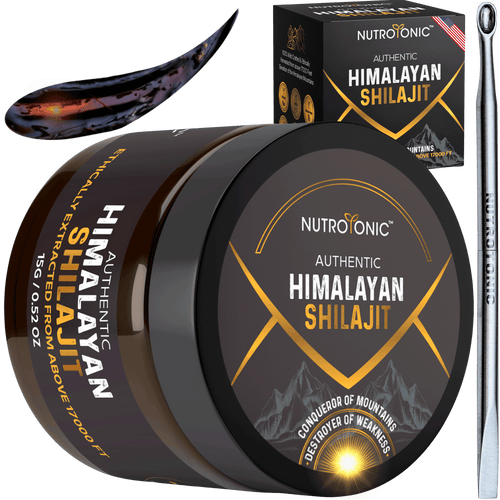
When evaluating shilajit options, consider brands that provide transparent sourcing information and specific elevation claims. NutroTonic sources its shilajit from above 17,000 feet in the Himalayas, ensuring you receive the mineral density and purity that only extreme altitude can provide. Learn more at www.nutrotonic.com.
FAQs
What's the minimum altitude for quality shilajit?
While shilajit forms at various elevations, sources above 17,000 feet show significantly higher mineral concentrations and purity levels. Lower-elevation sources may still contain beneficial compounds but lack the potency of extreme high-altitude varieties.
How can I verify a brand's altitude claims?
Look for specific elevation numbers rather than vague terms. Legitimate brands provide harvesting location details, seasonal availability information, and third-party lab testing that reflects high-altitude quality markers.
Does higher altitude always mean better shilajit?
Generally yes, but harvesting and processing methods also matter. Poorly handled high-altitude shilajit can lose quality, while properly processed lower-elevation sources may outperform mishandled premium materials.
Why is high-altitude shilajit more expensive?
Extreme altitude harvesting requires specialized equipment, experienced collectors, and seasonal access windows. The limited supply and increased harvesting costs create higher retail prices.
Can synthetic or lab-created shilajit match high-altitude quality?
No current synthetic processes can replicate the complex mineral profiles and unique compounds that form naturally over centuries at extreme altitude. Laboratory analysis consistently shows differences between natural high-altitude and synthetic alternatives.
How does altitude affect shilajit's mineral content?
Higher elevations create more concentrated mineral deposits through extreme temperature cycles, intense UV radiation, and reduced contamination exposure. This results in higher fulvic acid content and trace mineral density.
What's the difference between Himalayan and other mountain range shilajit?
While other mountain ranges produce shilajit, the Himalayas offer the highest elevations and most extreme formation conditions. The unique geological composition of Himalayan peaks also contributes distinct mineral profiles not found elsewhere.
Conclusion
Altitude isn't just a marketing claim — it's a fundamental factor that determines shilajit quality, purity, and potency. The extreme conditions above 17,000 feet create formation processes that simply can't occur at lower elevations.
When choosing shilajit, look beyond vague "Himalayan" claims to find brands that specify exact elevation sourcing. The investment in authentic high-altitude shilajit pays off through superior mineral content, reduced contamination, and consistent potency that delivers real results.
Your health deserves the quality that only extreme altitude can provide.














































































