




Posted by Hamed Khalili

Dr. Alexa Schmitz, Chief Medical Officer and Advisor
1.1 What is Shilajit?
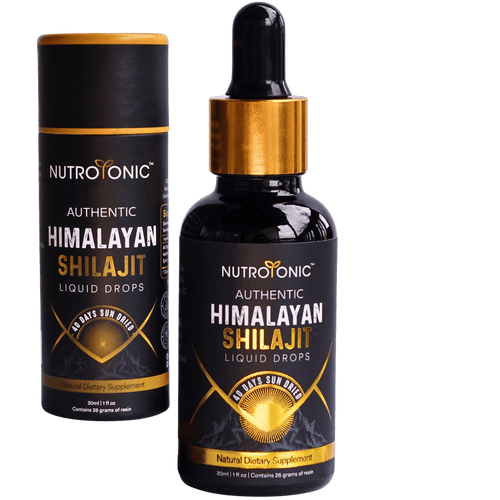
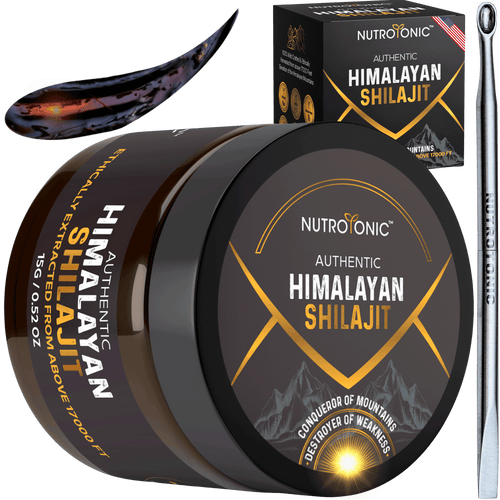
Shilajit is a blackish-brown, tar-like resinous substance that naturally exudes from high mountain rocks, primarily found in the Himalayan mountain range at elevations between 3,000 and 17,000 feet. This remarkable phytocomplex is formed over centuries through the gradual decomposition of plant matter, combined with microbial activity and mineral deposits, resulting in one of nature's most nutrient-dense substances.

The name "Shilajit" derives from Sanskrit, where "shila" means rock and "jit" means victory or conqueror, reflecting its formidable nature and the harsh environments from which it originates. It is classified as a rasayana (rejuvenator) in Ayurvedic medicine with over 3,000 years of documented therapeutic use. It is also known as the "Conqueror of Mountains" and "Destroyer of Weakness."
Historical Significance
Shilajit has been revered in traditional medicine systems for over 3,000 years. The earliest references appear in ancient Ayurvedic texts, including the Charaka Samhita and Sushruta Samhita (circa 600 BCE), which describe Shilajit as a "rasayana",a rejuvenating compound that promotes longevity and overall health.
Key Historical References:
-
Charaka Samhita (3,000+ years old): Describes Shilajit as a cure for all diseases and a Rasayana that promises to increase longevity
-
Sushruta Samhita (600 BCE): Outlines its potency as a rejuvenator and adaptogen for treating diabetes mellitus
-
Abu Ali Ibn Sina (Avicenna): In "The Canon of Medical Science," described Shilajit as an all-healing remedy for bone fractures, bronchial asthma, and liver diseases
-
Aristotle (384-322 BCE): Studied the medicinal applications of Shilajit. Its medical use was promoted and spread by his pupil, Alexander the Great, who used “mountain tears” to treat battlefield wounds during his campaign in India
-
Himalayan Sherpas: Have traditionally consumed Shilajit before climbs at heights above 20,000 feet for energy and altitude adaptation
Geographical Origins
While Shilajit can be found in various mountainous regions worldwide, the most prized and potent varieties come from high-altitude sources:
-
The Himalayas (India, Nepal, Pakistan, Tibet) – Considered the gold standard
-
Altai Mountains (Russia, Mongolia)
-
Caucasus Mountains (Georgia, Russia)
-
Andes Mountains (Chile) – Known as Andean Shilajit
Chemical Composition
Shilajit is a complex phytocomplex composed of:
Primary Active Constituents:
-
Fulvic Acid: The primary bioactive component responsible for most health benefits, including enhanced nutrient absorption and antioxidant activity
-
Humic Acid: Supports gut health and mineral transport
-
Dibenzo-α-pyrones (DBPs): Key electron carriers that support mitochondrial energy production
-
Over 84 Minerals: Including zinc, magnesium, selenium, copper, iron, and potassium in ionic form
-
DBP-Chromoproteins: Protein complexes that enhance cellular function
1.2 NutroTonic® Proprietary Processing
NutroTonic® utilizes exclusively Red Rare Shilajit, the rarest and most therapeutically potent variety, distinguished by its deep crimson-amber coloration indicative of superior mineral density and bioactive concentration. NutroTonic® has developed a proprietary purification and processing protocol that distinguishes its Shilajit from commercial alternatives:
-
Extreme High-Altitude Sourcing (17,000+ feet): Sourced exclusively from elevations above 17,000 feet in the Himalayas, where lower oxygen levels and intense UV exposure produce Shilajit with the highest concentration of fulvic acid and dibenzo-α-pyrones. This elevation threshold ensures maximum purity and potency unattainable at lower altitudes.
-
Extended Sun-Drying (60-120 Days): Traditional Ayurvedic sun-drying methodology extended to 60-120 days, far exceeding industry standards, concentrates bioactive compounds through gradual moisture reduction while preserving heat-sensitive fulvic acid molecules and enzymatic cofactors.
-
40x Nano-Filtration Technology: A proprietary 40-stage nano-filtration process removes heavy metals, mycotoxins, and environmental contaminants while retaining the full spectrum of beneficial compounds. This extreme purification ensures purity without chemical processing or solvent extraction.
PART TWO: CLINICAL & SCIENTIFIC EVIDENCE
2.1 Testosterone and Male Hormonal Health
Clinical Evidence: In a randomized, double-blind, placebo-controlled clinical study, healthy male volunteers aged 45-55 years received 250 mg of purified Shilajit twice daily for 90 consecutive days. The results demonstrated statistically significant increases in androgenic hormones compared to placebo.
Key Findings:
-
Total testosterone increased by 20.45% (P < 0.05)
-
Free testosterone increased by 19.14% (P < 0.05)
-
Dehydroepiandrosterone (DHEAS) increased by 31.35% (P < 0.05)
-
Gonadotropic hormones (LH and FSH) were well-maintained
Citation: Pandit S, Biswas S, Jana U, et al. Clinical evaluation of purified Shilajit on testosterone levels in healthy volunteers. Andrologia. 2016;48(5):570-575. doi:10.1111/and.12482
2.2 Male Fertility and Sperm Quality
Clinical Evidence: A clinical evaluation of processed Shilajit in oligospermic patients demonstrated significant improvements in multiple sperm parameters. Thirty-five infertile male patients with total sperm counts below 20 million/mL received 100 mg of Shilajit twice daily for 90 days.
Key Findings:
-
Total sperm count increased by 61.4% (P < 0.001)
-
Spermia (sperm density) improved by 37.6% (P < 0.001)
-
Sperm motility improved by 12.4-17.4% (P < 0.001)
-
Normal sperm morphology increased by 18.9%
-
Serum testosterone increased by 23.5% (P < 0.001)
-
Semen malondialdehyde (oxidative stress marker) decreased by 18.7%
Citation: Biswas TK, Pandit S, Mondal S, et al. Clinical evaluation of spermatogenic activity of processed Shilajit in oligospermia. Andrologia. 2010;42(1):48-56. doi:10.1111/j.1439-0272.2009.00956.x
2.3 Muscular Strength and Exercise Performance
Clinical Evidence: A randomized controlled study examined the effects of 8 weeks of Shilajit supplementation on muscular strength and fatigue resistance in 63 recreationally-active men. Participants received either 250 mg/day (low dose), 500 mg/day (high dose), or placebo.
Key Findings:
-
High-dose group showed better retention of maximal muscular strength following fatigue
-
Serum hydroxyproline levels (collagen marker) were significantly lower in the high-dose group, indicating reduced collagen degradation
-
Suggests potential for enhanced muscle recovery and connective tissue protection
Citation: Keller JL, Housh TJ, Hill EC, et al. The effects of Shilajit supplementation on fatigue-induced decreases in muscular strength and serum hydroxyproline levels. J Int Soc Sports Nutr. 2019;16(1):3. doi:10.1186/s12970-019-0270-2
2.4 Bone Health and Osteoporosis Prevention
Clinical Evidence: A 48-week randomized, double-blind, placebo-controlled trial evaluated Shilajit supplementation in postmenopausal women with osteopenia (reduced bone mineral density).
Key Findings:
-
Dose-dependent preservation of bone mineral density
-
Reduced markers of bone turnover
-
Attenuated inflammation markers
-
Reduced oxidative stress biomarkers
-
Improved glutathione (GSH) antioxidant levels
Citation: Pingali U, Nutalapati C. Shilajit extract reduces oxidative stress, inflammation, and bone loss to dose-dependently preserve bone mineral density in postmenopausal women with osteopenia: A randomized, double-blind, placebo-controlled trial. Phytomedicine. 2022;105:154334. doi:10.1016/j.phymed.2022.154334
2.5 Cellular Energy and Mitochondrial Function (ATP Production)
Scientific Evidence: Research has demonstrated that Shilajit significantly enhances mitochondrial function and ATP (adenosine triphosphate) production, the primary energy currency of cells.
Key Findings:
-
Shilajit helps mitochondria convert fat and sugar into ATP more efficiently
-
Doubles CoQ10 levels within mitochondria
-
When combined with CoQ10, produced 56% increase in brain ATP production (40% better than CoQ10 alone)
-
Combined with CoQ10, produced 144% increase in muscle ATP production (27% better than CoQ10 alone)
-
Post-exercise muscle ATP concentration was significantly higher (0.49 vs 0.25 μmol/g muscle)
Citation: Bhattacharyya S, Pal D, Gupta AK, et al. Beneficial effect of processed Shilajit on swimming exercise induced impaired energy status of mice. Pharmacologyonline. 2009;1:817-825.
2.6 Collagen Synthesis and Anti-Aging
Clinical Evidence: Multiple clinical studies have demonstrated Shilajit's remarkable effects on collagen synthesis and extracellular matrix maintenance.
Study 1: Gene Expression Analysis
A 12-week study examining healthy overweight adults (250 mg twice daily) found that after 8 weeks, researchers identified 17 extracellular matrix (ECM)-related genes that were significantly upregulated, including genes responsible for collagen synthesis, ECM maintenance, and microvascular development.
Study 2: Type I Collagen Markers
An 8-week randomized controlled trial demonstrated that Shilajit supplementation (500-1000 mg daily) led to over 60-100% increases in pro-c1α1 (a biomarker of Type I collagen synthesis) compared to baseline and placebo groups.
Study 3: Skin Perfusion and Regeneration
In middle-aged females receiving oral Shilajit (125-250 mg twice daily for 14 weeks), skin biopsies revealed upregulation of collagen synthesis, ECM maintenance genes, and microvascular development. High-dose Shilajit significantly augmented micro-perfusion (blood flow) of the skin.
Citations:
-
Das A, Datta S, Rhea B, et al. The human skeletal muscle transcriptome in response to oral shilajit supplementation. J Med Food. 2016;19(7):701-709. doi:10.1089/jmf.2016.0010
-
Neltner TJ, Sahoo PK, Smith RW, et al. Effects of 8 Weeks of Shilajit supplementation on pro-c1α1, a Biomarker of Type 1 Collagen Synthesis: A Randomized Control Trial. J Diet Suppl. 2024;21:1-12. doi:10.1080/19390211.2022.2157522
-
Das A, El Masry MS, Gnyawali SC, Ghatak S, Singh K, Stewart R, Lewis M, Saha A, Gordillo G, Khanna S. Skin Transcriptome of Middle-Aged Women Supplemented With Natural Herbo-mineral Shilajit Shows Induction of Microvascular and Extracellular Matrix Mechanisms. J Am Coll Nutr. 2019;38(6):526-536. doi:10.1080/07315724.2018.1564088
2.7 Cognitive Function and Neuroprotection
Scientific Evidence: Research has identified Shilajit as a potential neuroprotective agent with implications for cognitive health and Alzheimer's disease prevention.
Key Findings:
-
Tau Protein Aggregation: Fulvic acid, the main active principle in Shilajit, blocks tau self-aggregation, a hallmark of Alzheimer's disease
-
Amyloid Beta Protection: Shilajit demonstrated neuroprotective effects against amyloid beta-induced cytotoxicity and inflammation in neuronal cell lines
-
Neurotransmitter Support: Increases dopamine levels (reduced in Parkinson's disease)
-
Acetylcholine Activity: Supports cholinergic neurotransmission (deficient in Alzheimer's disease)
-
Cognitive Performance: Animal studies showed significantly improved maze performance and reduced anxiety levels
-
Neuroprotection: Shilajit enhances nitric oxide production, improves endothelial function and cerebral blood flow and reduces cytokine-induced neuroinflammation (key factors in vascular dementia)
Citations:
-
Carrasco-Gallardo C, Guzmán L, Maccioni RB. Shilajit: A natural phytocomplex with potential procognitive activity. Int J Alzheimers Dis. 2012;2012:674142. doi:10.1155/2012/674142
-
Kim S, et al. Shilajit, a Natural Phytocomplex Acts as a Neuroprotective Agent Against Amyloid Beta-induced Cytotoxicity and Inflammation. Integr Med Res. 2024.
-
Maparu K, Singh S. Unlocking the potential of Shilajit in Vascular Dementia behind pathology and management - A concise review: Shilajit in VaD via cAMP/NO, inflammatory pathways. Brain Disorders. 2025;19:100244. doi:10.1016/j.dscb.2025.100244.
2.8 Antioxidant and Anti-Inflammatory Properties
Scientific Evidence: Shilajit demonstrates potent antioxidant and anti-inflammatory activity through multiple mechanisms.
Mechanisms of Action:
-
NF-κB Pathway Modulation: Inhibits nuclear factor kappa B, a key regulator of pro-inflammatory responses
-
Nrf2/HO-1 Activation: Upregulates the Nrf2 pathway (anti-inflammatory) and heme oxygenase-1, enhancing cellular antioxidant defenses
-
SOD Activity: Increases superoxide dismutase enzyme activity (antioxidant)
-
Lipid Peroxidation: Significantly reduces markers of oxidative damage
-
GSH Levels: Improves glutathione (master antioxidant) levels, demonstrated in Type 2 diabetic patients
Citation: Iqubal A, Qadir A. Clinical studies and safety evidence for human consumption of Shilajit: a herbo-mineral compound with multifaceted health benefits. Int J Basic Clin Pharmacol. 2025;14(4):630-640. doi:10.18203/2319-2003.ijbcp20251850
2.9 Antiviral Properties
Scientific Evidence: Shilajit and its constituent humic and fulvic acids have demonstrated antiviral activity in in vitro studies. Research shows that Shilajit exhibits dose-dependent inhibition of select viruses and that its mechanisms include interference with viral attachment and partial virus inactivation. Additional studies on humic/fulvic acids support broader antiviral mechanisms including inhibition of viral entry and replication and modulation of innate immune signaling.
Key Findings:
-
Viral Attachment Inhibition: Fulvic and humic acids bind viral envelope glycoproteins, reducing receptor-mediated host cell entry. In controlled laboratory assays, Shilajit showed dose-dependent inhibitory activity against multiple viruses, including herpes simplex virus types 1 and 2 (HSV-1, HSV-2), human cytomegalovirus (HCMV), and respiratory syncytial virus (RSV), with partial virus inactivation and interference with viral attachment to host cell
-
Envelope Disruption: Direct interaction of humic acids with viral lipid membranes compromises viral structural integrity
-
Immune Support: Enhances interferon signaling, macrophage and natural killer (NK) cell activity, supporting innate antiviral cytokine responses
-
SARS-CoV-2 Inhibition (In Vitro): Humic substances demonstrated dose-dependent inhibition of SARS-CoV-2 replication in vitro, achieving approximately 50% viral replication suppression at picomolar concentrations, suggesting high antiviral potency at very low exposure levels.
Citations:
-
Cagno V, et al. In vitro evaluation of the antiviral properties of Shilajit and investigation of its mechanisms of action. J Ethnopharmacol. 2015;166:129–134.
-
Van Rensburg CEJ. The anti-inflammatory and antiviral properties of humic substances: A review. Inflammopharmacology. 2015;23(5):203–212.
-
Kotwal GJ, et al. Anti-HIV, anti-influenza, and broad-spectrum antiviral activity of humic substances. Bioorg Med Chem Lett. 2014;24(3):737–741.
-
Zhernov YV, et al. Antiviral activity of natural humic substances and their complexes. Pharm Chem J. 2021;55:643–649.
-
Hajdrik P, et al. Inhibitory effects of humic substances on SARS-CoV-2 virus replication. Foods. 2022;11(5):694.
2.10 Gut Health and Microbiome Support
Clinical Evidence: Humic and fulvic acids have demonstrated beneficial effects on gastrointestinal integrity, microbiome balance, and nutrient bioavailability.
Key Findings:
-
Intestinal Barrier Support: Fulvic acid supports intestinal epithelial integrity by enhancing tight junction protein expression and reducing intestinal permeability.
-
Microbiome Modulation: Humic substances act as prebiotic substrates that support beneficial bacterial populations
-
Mineral Transport: Fulvic acid chelates minerals into ionic forms, improving absorption and cellular uptake
-
Anti-inflammatory Effects: Reduces pro-inflammatory cytokine signaling in gut-associated lymphoid tissue
Citations:
-
Vucskits AV, et al. Effect of fulvic and humic acids on intestinal integrity and immune response. J Anim Physiol Anim Nutr. 2010;94(5):e239-e246.
-
Van Rensburg CEJ. The anti-inflammatory properties of humic substances. Inflammopharmacology. 2015;23(5):203-210.
-
Ozturk E, et al. Humic substances improve gut barrier function and microbiota composition. Benef Microbes. 2014;5(3):297-307.
2.11 Environmental Toxin Chelation
Scientific Evidence: Emerging research demonstrates that fulvic acid exhibits chelating properties that may support the body’s natural detoxification of glyphosate, the world’s most widely used herbicide, which has been detected in food, water, and human tissues.
Key Mechanisms:
-
Molecular Chelation: Fulvic acid’s polyelectrolyte structure enables binding and complexation with xenobiotic compounds, including glyphosate, potentially reducing bioavailability.
-
Support for Natural Elimination Pathway: Humic substances support renal and hepatic clearance processes involved in the elimination of bound environmental toxins.
-
Mitochondrial & Oxidative Stress Protection: Fulvic and humic acids mitigate toxin-associated oxidative stress and support mitochondrial function, helping preserve cellular energy balance.
-
Gut Microbiome Support: Research indicates glyphosate exposure may disrupt gut microbial balance; humic substances support microbiome resilience and recovery through prebiotic and anti-inflammatory effects.
Citations:
-
Peña-Méndez EM, et al. Fulvic acid: a natural complexing agent. Chem Spec Bioavailab. 2005;17(1):1-14.
-
Van Rensburg CEJ. The role of humic substances in detoxification. J Inflamm Res. 2015;8:163-173.
-
Krüger M, et al. Glyphosate residues in food and their interaction with human gut microbiota. J Environ Anal Toxicol. 2013;S4:006.
-
Schecter A, et al. Glyphosate, pathways to modern diseases. Entropy. 2016;18(2):44.
2.12 Natural Urolithin A & B Content
Shilajit is one of the only natural, direct sources of urolithins, which are powerful compounds recognized for their mitochondrial and anti-aging benefits. Unlike fruit-derived urolithins that require gut bacterial conversion, Shilajit provides urolithins directly in bioavailable form.
Scientific Evidence: Shilajit's dibenzo-α-pyrones (DBPs) are chemically identical to urolithins:
-
3,8-dihydroxy-dibenzo-α-pyrone (3,8-(OH)₂-DBP) = Urolithin A
-
3-hydroxy-dibenzo-α-pyrone (3-OH-DBP) = Urolithin B
Analytical studies have confirmed urolithin A content of 0.03%–0.42% in raw shilajit, extracts, and resin.
Key Benefits of Urolithins:
-
Mitochondrial Biogenesis: Urolithin A activates mitophagy (the process of clearing damaged mitochondria and stimulating creation of new ones)
-
Muscle & Aging Support: Clinical trials show urolithin A improves muscle strength and endurance in older adults
-
NAD+ Enhancement: Animal studies demonstrate urolithin A supplementation increases cellular NAD+ levels and ATP production
-
Anti-Inflammatory: Both urolithins exhibit anti-inflammatory and antioxidant properties
Citations:
-
Kohli HK, Somasekhar M, Reddy D et al. Shilajit-analytical study to understand the phyto complex present in shilajit raw material, extract and resin by using hyphenated techniques. Journal of Chromatography A. 2026; 1766(11):455670.
-
Espín JC, et al. Biological Significance of Urolithins, the Gut Microbial Ellagic Acid-Derived Metabolites. Evid Based Complement Alternat Med. 2013;2013:270418.
2.13 Safety Profile
Multiple safety assessments confirm the favorable tolerability of purified Shilajit:
-
Oral LD50 > 2000 mg/kg body weight (considered very safe)
-
Safe at doses of 0.2-1.0 g/kg body weight in chronic administration
-
Clinical studies show unaltered hepatic and renal profiles at therapeutic doses
-
CRITICAL NOTE: Raw, unpurified Shilajit may contain heavy metals and mycotoxins. Only purified, laboratory-tested Shilajit should be consumed.
Citation: Acharya SB, Frotan MH, Goel RK, et al. Pharmacological actions of Shilajit. Indian J Exp Biol. 1988;26:775-777.
PART THREE: QUALITY ASSURANCE & LABORATORY CERTIFICATIONS
3.1 NutroTonic® Third-Party Laboratory Testing
NutroTonic® Shilajit undergoes comprehensive third-party laboratory analysis to ensure purity, potency, and safety.
Heavy Metals Analysis
Testing conducted by ISO 17025 accredited laboratory using ICP-MS methodology (MQLTM-0278) per California Proposition 65 standards:
|
Heavy Metal |
Test Method |
Prop 65 Limit |
Result |
|
Arsenic |
MQLTM-0278 ICP-MS |
10 mcg/daily dose |
<0.239 |
|
Cadmium |
MQLTM-0278 ICP-MS |
4.1 mcg/daily dose |
<0.005 |
|
Mercury |
MQLTM-0278 ICP-MS |
0.3 mcg/daily dose |
<0.003 |
|
Lead |
MQLTM-0278 ICP-MS |
0.5 mcg/daily dose |
<0.073 |
Note: All heavy metal results are significantly below California Proposition 65 limits, demonstrating exceptional purity achieved through our 40-stage nano-filtration process.
Bioactive Compound Analysis
|
Compound |
Test Method |
Result |
|
Fulvic Acid Content |
MQLTM-1023 UV |
85.6% |
|
Humic Acid Content |
MQLTM-1023 UV |
9.83% |
Note: NutroTonic® Shilajit contains 85.6% fulvic acid and 9.83% humic acid, with a combined total of 95.43% bioactive compounds. This significantly exceeds industry standards (typically 40-60% fulvic acid), confirming superior bioactive compound concentration from high-altitude sourcing and extended sun-drying.
Key Minerals Analysis
Essential mineral content per 100mg daily dose, measured by ICP-OES methodology:
|
Mineral |
Test Method |
Content per Dose |
|
Magnesium |
MQLTM-0622 ICP-OES |
2200 mcg |
|
Iron |
MQLTM-0622 ICP-OES |
90 mcg |
|
Zinc |
MQLTM-0622 ICP-OES |
0.907 mcg |
|
Aluminum |
MQLTM-0622 ICP-OES |
0.013 mg |
|
Chromium |
MQLTM-0278 ICP-MS |
0.077 mcg |
Note: The mineral profile demonstrates NutroTonic® Shilajit’s rich ionic mineral content, with particularly high concentrations of magnesium (essential for over 300 enzymatic reactions) and iron (critical for oxygen transport). All minerals are in highly bioavailable ionic form for optimal absorption.
Microbial Suitability Testing
Comprehensive microbiological analysis conducted per USP61 and USP62 methodologies:
|
Analyte |
Result |
Method |
|
Total Plate Count (TPC) |
<10cfu/gm |
TM-01 (Modified USP61) |
|
Yeast/Mold |
<10cfu/gm |
TM-01 (Modified USP61) |
|
Enrichment |
No Growth |
TM-01 (Modified USP61) |
|
Coliforms |
<10cfu/gm |
TM-01A (Modified USP62) |
|
E.coli |
Absent |
TM-01A (Modified USP62) |
|
Pseudomonas spp. |
Absent |
TM-01A (Modified USP62) |
|
S.aureus |
Absent |
TM-01A (Modified USP62) |
|
Salmonella/Shigella |
Absent |
TM-01A (Modified USP62) |
|
C. albicans |
Absent |
TM-01A (Modified USP62) |
Note: All microbial testing results demonstrate pharmaceutical-grade purity with extremely low microbial counts and complete absence of all tested pathogens. Testing conducted per USP (United States Pharmacopeia) standards ensures compliance with the highest quality and safety requirements.
3.2 Quality Standards
NutroTonic® Shilajit gummies are manufactured exclusively in a FDA-registered, cGMP (Current Good Manufacturing Practice) certified facility. This certification ensures:
-
Quality Systems: Comprehensive quality management systems
-
Personnel Training: All manufacturing personnel are trained in cGMP protocols and procedures
-
Batch Documentation: Complete traceability of product ingredients
-
Equipment Validation: All processing equipment is validated and regularly calibrated
-
Environmental Controls: Controlled temperature, humidity, and particulate monitoring
-
Third-Party Audits: Regular independent audits to maintain certification status
3.3 CONCLUSION
The extensive clinical evidence presented in this dossier demonstrates Shilajit’s remarkable efficacy across multiple physiological systems. NutroTonic® Shilajit represents the pinnacle of natural wellness supplementation, combining ancient Ayurvedic wisdom with modern scientific validation and pharmaceutical-grade manufacturing standards. Our proprietary processing methods, extreme high-altitude sourcing (17,000+ feet), extended sun-drying (60-120 days), and 40-stage nano-filtration, deliver unparalleled purity and potency that sets NutroTonic® apart from all competitors. Our commitment to quality is evidenced by cGMP-certified manufacturing, third-party laboratory verification and exceptional ingredient selection that significantly exceeds industry standards.
Summary: Clinical Benefits at a Glance
|
Benefit Category |
Key Finding |
Primary Citation |
|
Testosterone |
+20% total testosterone in 90 days |
Pandit et al., 2016 |
|
Male Fertility |
+61% sperm count, +23% testosterone |
Biswas et al., 2010 |
|
Muscle Strength |
Improved fatigue resistance |
Keller et al., 2019 |
|
Bone Health |
Preserved BMD in osteopenia |
Pingalu & Nutalapati, 2022 |
|
Energy/ATP |
+56% brain ATP, +144% muscle ATP |
Bhattacharyya et al., 2009 |
|
Collagen |
+60-100% Type I collagen markers |
Neltner et al., 2024 |
|
Neuroprotection |
Blocks tau aggregation |
Carrasco-Gallardo et al., 2012 |
|
Antioxidant |
Nrf2 activation, reduced oxidative stress |
Iqubal et al., 2025 |
|
Antiviral |
Prevents viral host cell penetration |
Cagno et al., 2015 |
|
Gut Health |
Barrier enhancement, microbiome support |
Ozturk et al, 2014 |
Complete References
-
Pandit S, Biswas S, Jana U, et al. Clinical evaluation of purified Shilajit on testosterone levels in healthy volunteers. Andrologia. 2016;48(5):570-575. doi:10.1111/and.12482
-
Biswas TK, Pandit S, Mondal S, et al. Clinical evaluation of spermatogenic activity of processed Shilajit in oligospermia. Andrologia. 2010;42(1):48-56. doi:10.1111/j.1439-0272.2009.00956.x
-
Keller JL, Housh TJ, Hill EC, et al. The effects of Shilajit supplementation on fatigue-induced decreases in muscular strength and serum hydroxyproline levels. J Int Soc Sports Nutr. 2019;16(1):3. doi:10.1186/s12970-019-0270-2
-
Pingali U, Nutalapati C. Shilajit extract reduces oxidative stress, inflammation, and bone loss to dose-dependently preserve bone mineral density in postmenopausal women with osteopenia: A randomized, double-blind, placebo-controlled trial. Phytomedicine. 2022;105:154334. doi:10.1016/j.phymed.2022.154334
-
Bhattacharyya S, Pal D, Gupta AK, et al. Beneficial effect of processed Shilajit on swimming exercise induced impaired energy status of mice. Pharmacologyonline. 2009;1:817-825.
-
Das A, Datta S, Rhea B, et al. The human skeletal muscle transcriptome in response to oral shilajit supplementation. J Med Food. 2016;19(7):701-709. doi:10.1089/jmf.2016.0010
-
Neltner TJ, Sahoo PK, Smith RW, et al. Effects of 8 Weeks of Shilajit supplementation on pro-c1α1, a Biomarker of Type 1 Collagen Synthesis: A Randomized Control Trial. J Diet Suppl. 2024;21:1-12. doi:10.1080/19390211.2022.2157522
-
Das A, El Masry MS, Gnyawali SC, Ghatak S, Singh K, Stewart R, Lewis M, Saha A, Gordillo G, Khanna S. Skin Transcriptome of Middle-Aged Women Supplemented With Natural Herbo-mineral Shilajit Shows Induction of Microvascular and Extracellular Matrix Mechanisms. J Am Coll Nutr. 2019;38(6):526-536. doi:10.1080/07315724.2018.1564088
-
Carrasco-Gallardo C, Guzmán L, Maccioni RB. Shilajit: A natural phytocomplex with potential procognitive activity. Int J Alzheimers Dis. 2012;2012:674142. doi:10.1155/2012/674142
-
Kim S, et al. Shilajit, a Natural Phytocomplex Acts as a Neuroprotective Agent Against Amyloid Beta-induced Cytotoxicity and Inflammation. Integr Med Res. 2024.
-
Maparu K, Singh S. Unlocking the potential of Shilajit in Vascular Dementia behind pathology and management - A concise review: Shilajit in VaD via cAMP/NO, inflammatory pathways. Brain Disorders. 2025;19:100244. doi:10.1016/j.dscb.2025.100244.
-
Iqubal A, Qadir A. Clinical studies and safety evidence for human consumption of Shilajit: a herbo-mineral compound with multifaceted health benefits. Int J Basic Clin Pharmacol. 2025;14(4):630-640. doi:10.18203/2319-2003.ijbcp20251850
-
Cagno V, et al. In vitro evaluation of the antiviral properties of Shilajit and investigation of its mechanisms of action. J Ethnopharmacol. 2015;166:129–134.
-
Van Rensburg CEJ. The anti-inflammatory and antiviral properties of humic substances: A review. Inflammopharmacology. 2015;23(5):203–212.
-
Kotwal GJ, et al. Anti-HIV, anti-influenza, and broad-spectrum antiviral activity of humic substances. Bioorg Med Chem Lett. 2014;24(3):737–741.
-
Zhernov YV, et al. Antiviral activity of natural humic substances and their complexes. Pharm Chem J. 2021;55:643–649.
-
Hajdrik P, et al. Inhibitory effects of humic substances on SARS-CoV-2 virus replication. Foods. 2022;11(5):694.
-
Vucskits AV, et al. Effect of fulvic and humic acids on intestinal integrity and immune response. J Anim Physiol Anim Nutr. 2010;94(5):e239-e246.
-
Van Rensburg CEJ. The anti-inflammatory properties of humic substances. Inflammopharmacology. 2015;23(5):203-210.
-
Ozturk E, et al. Humic substances improve gut barrier function and microbiota composition. Benef Microbes. 2014;5(3):297-307.
-
Krüger M, et al. Glyphosate residues in food and their interaction with human gut microbiota. J Environ Anal Toxicol. 2013;S4:006.
-
Peña-Méndez EM, et al. Fulvic acid: a natural complexing agent. Chem Spec Bioavailab. 2005;17(1):1-14.
-
Schecter A, et al. Glyphosate, pathways to modern diseases. Entropy. 2016;18(2):44.
-
Van Rensburg CEJ. The role of humic substances in detoxification. J Inflamm Res. 2015;8:163-173.
-
Acharya SB, Frotan MH, Goel RK, et al. Pharmacological actions of Shilajit. Indian J Exp Biol. 1988;26:775-777.
-
Kohli HK, Somasekhar M, Reddy D et al. Shilajit-analytical study to understand the phyto complex present in shilajit raw material, extract and resin by using hyphenated techniques. Journal of Chromatography A. 2026; 1766(11):455670.
-
Espín JC, et al. Biological Significance of Urolithins, the Gut Microbial Ellagic Acid-Derived Metabolites. Evid Based Complement Alternat Med. 2013;2013:270418.
DISCLAIMER: This document is intended for internal marketing and communications purposes only. These statements have not been evaluated by the Food and Drug Administration. This product is not intended to diagnose, treat, cure, or prevent any disease. Always consult a healthcare professional before beginning any supplement regimen.
© 2025 NutroTonic LLC. All Rights Reserved.














































































